
|
|---|

Ancient Olympic Games
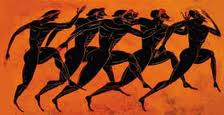
with
Sources & Links
by
Harvey Abrams, BS, MAT, Ph.d/abd.
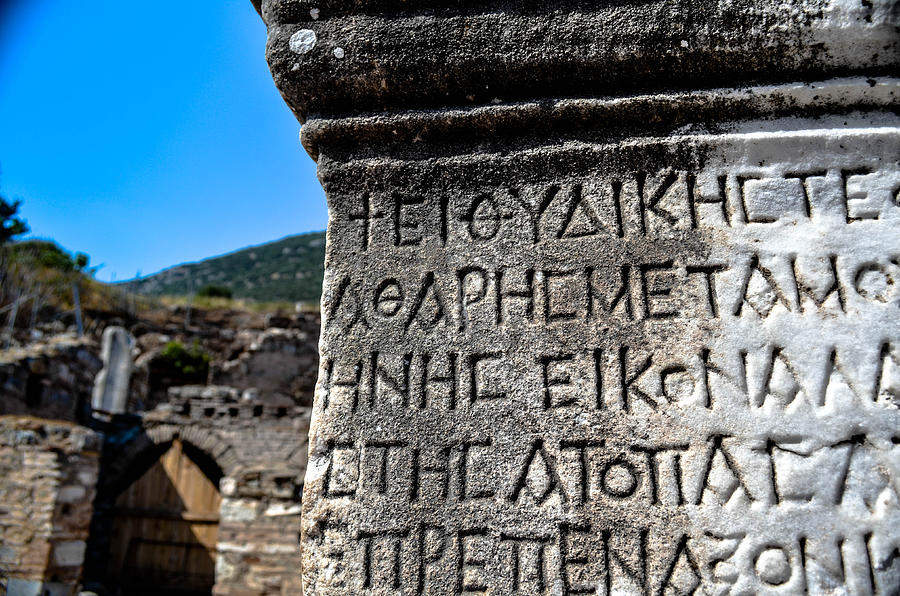
1. INTRODUCTIONThe ancient Greek Olympic Games are so old that even they ancient Greeks themselves did not know how old they were. The origins of the ancient Olympic Games are steeped in various Greek legends and myths. Different versions of the origins of the Olympic Games were described by ancient writers such as Pindar, Strabo, Phlegon, Pausanius and Eusebius. All of these writers came many years after the ILIAD and the ODYSSEY were written by an ancient Greek writer named Homer. There is no evidence to date Homer's works, but they have been dated by historians to be from the period of the 10th to the 6th centuries BCE. In fact, there is no evidence that shows Homer was the writer and it is possible that these works were written by more than one person. Studying the ancient Olympic Games - indeed studying anything about ancient civilizations - requires finding source material that you can read, understand and use to gather evidence so you can draw a conclusion. Keep in mind that what we know today is only a mere fraction of what happened 3,000 years ago. Most evidence of ancient history has been lost over time. There was no paper back then. They did write on such things as stone, clay or papyrus. Think about your own history -- what happened on the day you were born? What evidence exists to prove your date of birth? Do you have your birth certificate? Who prepared it? Is it authentic? Did your parents tell you about the day you were born? Was there a newspaper article written about your birth? Did someone take photos or movies of your birth? Did you talk to any doctors or nurses who were there? So in studying the past -- even your own past -- how can you find out what happened? There has to be something to look at (evidence), or someone to talk to (witnesses). Think about the difficulty of studying ancient history, how could we possibly know anything about the Greeks who lived 3,000 years ago? We do research, we look for "sources of information." Some of our knowledge is based upon: A. Ancient Greek and Roman writers (literary evidence)
|
 ----
---- 
Created on October 29, 2000
Updated on February 20, 2008
Updated December 6, 2014
Updated June 24, 2019
These pages are dedicated to K & A.
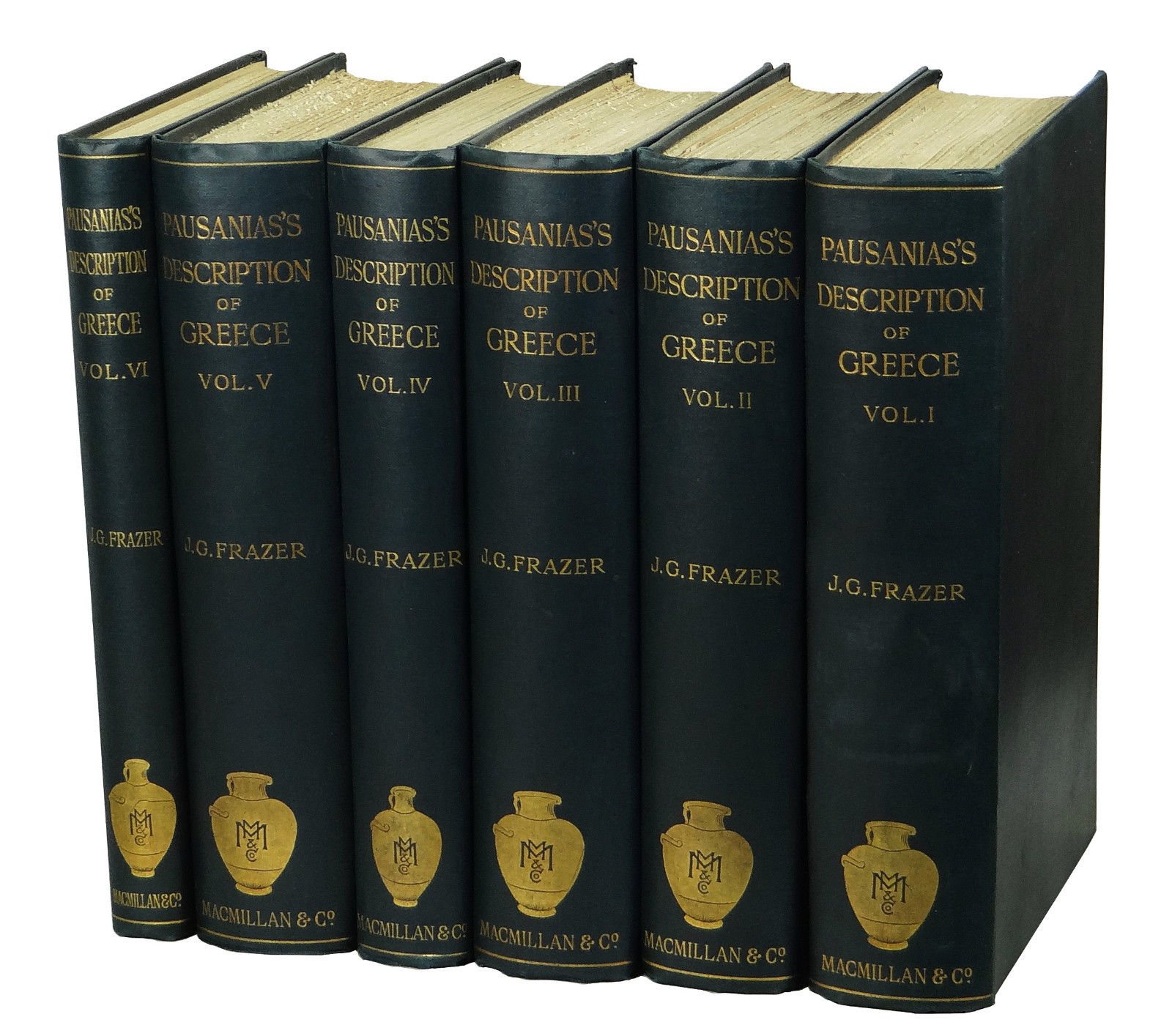
2. The Ancient Olympic Games -- 776 BCE to 393 CEIn almost every book and website you will find information that says the ancient Olympic Games started in 776 BCE -- but this is NOT accurate.The Olympic Games did not start in 776 BCE - they started much earlier! But they were so old that even the ancient Greeks did not know when they started. The origins of the first Olympic Games were unknown because the Greeks failed to record the events. The sports were not the important part of the festival. The Olympic Games were merely a small part of a much larger event - it was a religious festival in honor of the Greek God Zeus. Allow me to ephasize this: the origin of the Olympic Games was NOT as a sports festival for fun and glory. The ancient Olympic Games were part of a religious festival to honor the gods. Over a period of several hundred years the sports became more important within Greek culture and the Olympic festival became an important meeting place for Greek, and eventually Roman politics. The year 776 BCE is not the year of the first Olympic Games. It is the first Olympic Games with the name of a recorded victor. All earlier Olympic victors were unknown, even to the Greeks, five hundred years before Christ was born. Winning a running race or any competition was not important enough to the Greeks to record.The origins of the Olympic Games are unknown, but there are some theories. They may have started as early as the 14th century BCE. The stories of funeral games (celebrations in honor of a dead king or notable warrior) come to us from Homer's works -- the Iliad and the Odyssey. He wrote about the Trojan War, which historians date approximately 1193-83 BCE (12th century). Many ancient writers used Homer's works along with others which have been lost since ancient times. Sadly for us the ancient writings were destroyed in fires and wars long before the printing press was invented. All written works had to be made by hand, so few copies existed. Ancient Greek and Roman writers offered different versions of the origins of the Olympics. Some ancient writers attempted to recreate actual dates. For example, Eusebius of Caesarea wrote his CHRONOLOGY circa 324 CE. That's the 4th century after Christ -- over 1,000 years after the ancient Olympic Games began. He recreated the Olympic Register of Victors (a winner's list) from 776 BCE to 217 CE, the 1st through the 249th Olympiads. His work was based on the work of Sextus Julius Africanus who wrote a century earlier. But this "book" was lost in ancient times and we only know that it existed because translations of chapters exist in other languages -- the entire "book" in its original Greek languages does not exist. But these Roman era writers were actually latecomers. The ancient Greeks had attempted to get their Olympic records straight for centuries. The records of the ancient Olympic Games were first recreated in the 5th century BCE by Hippias of Elis and a century later revised by Aristotle. These works are known only because later writers referred to them - no copies have survived for us to examine. What happened to them? Unfortunately all the libraries that existed in ancient times had fires -- and all the papyrus scrolls that filled the shelves burned to ash. Much of ancient history has been lost forever because these fires destroyed the few copies of writings that existed. Our knowledge of the ancient Olympics is fragmentary and based on a tiny portion of literary evidence that has survived -- my guess is that perhaps 10% has survived. Other historians might give you a different percentage. When the Romans conquered the ancient world -- including Greece, they translated Greek works into Latin. Sometimes the new "books" had both the Greek and Latin for the reader. Some works were translated by early Christians into other languages such as Armenian. Much of what we know is based on an incredible Guidebook to Greece written by Pausanius in the 2nd century CE, about 900 years after the Olympic Games started record-keeping. He went to Olympia, described all the statues that decorated the site and interviewed the officials who worked there. His work, written in Latin, has been translated into English and you can buy this paperback in most bookstores today. You should have a copy in your school library and use it as a "primary source" of information. But remember this -- The Olympic Games were already over 900 years old when Pausanius wrote his book -- and that was 1,800 years ago! For your convenience I have added a link in the section below to a Dutch website that has put the entire work of Pausanias online in English and Dutch. There are MANY spelling errors so be careful - you might want to compare it to a book in a library collection. Because archeologists are always finding new caches of evidence, it is still possible that someday we will find papyrus scrolls in vases which shed more light on the ancient Olympic Games. That will be very exciting! Here is a brief list of some ancient writers you can use in your research:
|
3. LINKS to Ancient Olympic studies
This website is out of date but has some sources that might be useful. This was an excellent site that was not working on March 21, 2012 when I checked, nor when I checked again on December 6, 2014, nor the latest check on June 23, 2019. I am now tring to find out why this excellent web site disappeared, so check back soon. This is why you cannot rely upon the Internet because good stuff disappears and may never return. But if you use your library, books will last longer - in spite of "digitization." Here is the link to browse Dartmouth for yourself and see if you can find a new link. |
4. Commentary by Harvey Abrams, BS., MAT., Ph.D/abdThere are now hundreds of links on the web about the ancient Olympic Games because in 2004 Athens (Greece) hosted the Olympic Games. There was a serious increase in interest in Greek history, especially among Greeks. I observed that this increased interest in the ancient Greek Olympic Games was at an all time high in my academic career. I have looked at many of these sites and there are so many errors being repeated due to lack of scholarship that you need to be very careful what you use for your own research. BE CAUTIOUS...much of what has been written has merely repeated the vast number of errors published in previous books. Other errors are intended to re-write history based upon the personal bias of the writers -- especially Greek writers. This is known as "revisionist history." Then the 2012 Olympic Games were hosted in London (England/Great Britain/United Kingdom) and another vast quantity of English language material appeared on the internet. Again many errors were repeated - so there is a lot of garbage to wade through on the internet.
But don't forget the best sources -- your local LIBRARY and the professional LIBRARIAN who can help you find quality material for your project. 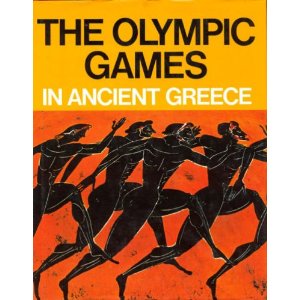 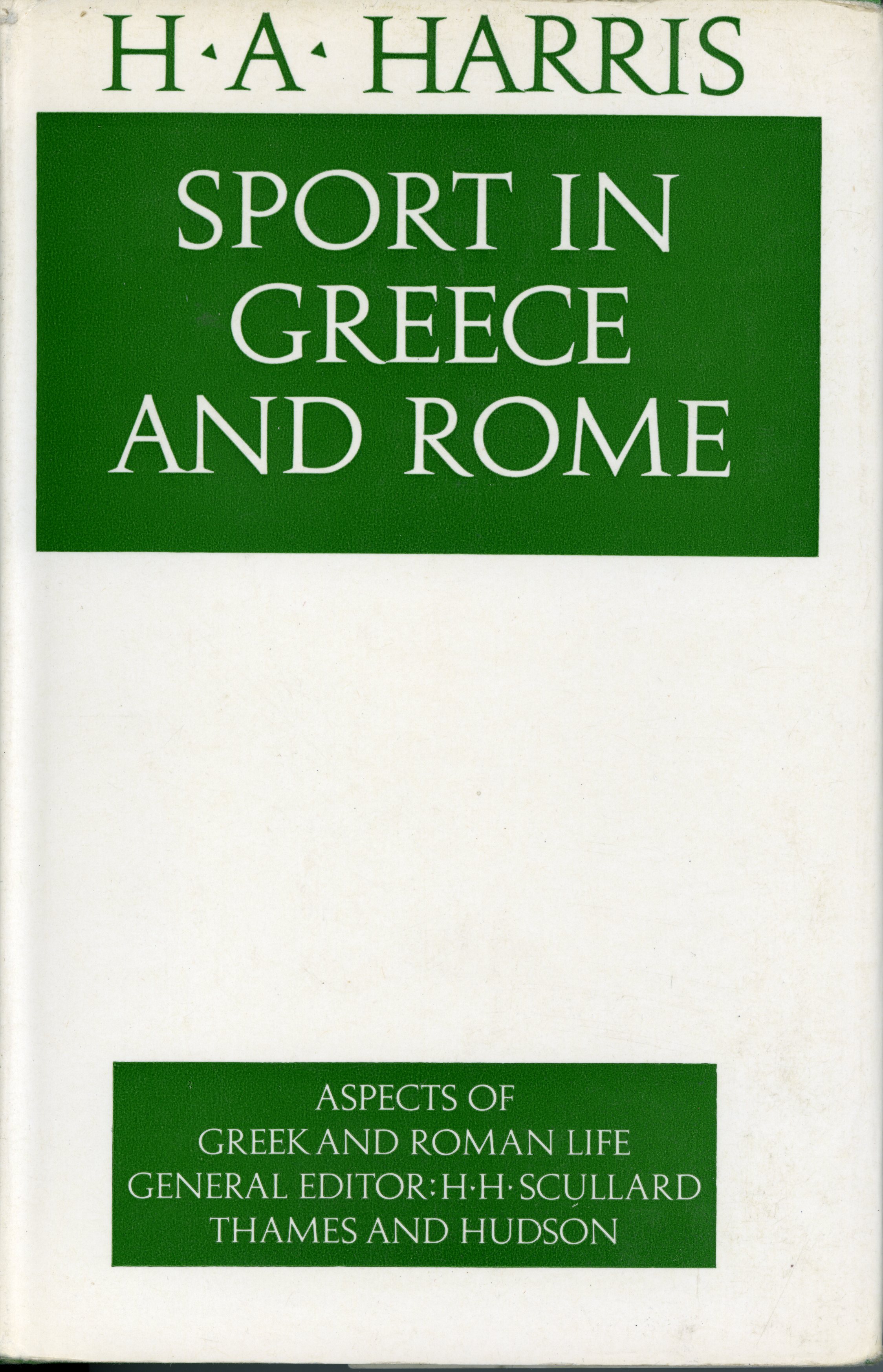 And a final word of advice from an educator - if you are an American college student then get a passport. Go to Greece and Italy for a semester to study overseas, get 6 or even 9 credits towards your degree, and learn more about Greek and Roman history. Tell your parents it is an essential aspect of your educational experience...because it is. 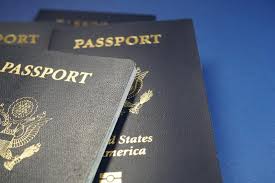 |
|
then you have to "cite" this page as follows: ~ Abrams, Harvey. Ancient Olympic Games: A Brief History With Sources & Links. Harvey Abrams - Books, June 24, 2019. URL: http://www.harveyabramsbooks.com/ancient.html Viewed: Month & date, year. (The date that you viewed this page goes here) ~ You need to do this because web pages change frequently -- and I might update or change this information, too. You cite this page (and all your sources) so a reader can return in order to check the accuracy of your work. |
Copyright © 2000, 2003, 2004, 2006, 2008, 2012, 2014, 2016, 2019 Harvey Abrams. All rights reserved. No part of this text may be reproduced or transmitted in any form or by any means, electronic or mechanical, including photocopying, recording, or by any information storage or retrieval system, without the expressed written permission of the author. Or the wrath of Zeus will be upon you.
Olympic & Sport Historian
HARVEY ABRAMS-BOOKS
P.O. Box 732
State College, PA, USA 16804
email: Olympicbks@aol.com
Olympicbks@aol.com
Go back to my front page on Olympic History
Olympic Games History Page
HARVEY ABRAMS-BOOKS front page | Navigation page | Current Sales List
1972 Munich Olympic Posters: ART SERIES & VENUE POSTERS | Harvey Abrams-BOOKS: Buying, Selling, Services Available | Gymnastics books & posters | Wrestling Poster 1001
1996 Olympic Games Pin Guide | 1995 Rose Bowl Program, Penn State vs Oregon
International Institute for Sport History (IISOH)
IISOH Library & Museum
Updated on February 20, 2008
Updated March 21, 2012
Updated December 6, 2014
Updated August 21, 2016
Updated June 15, 22, 24, 2019